From Vision to Mission
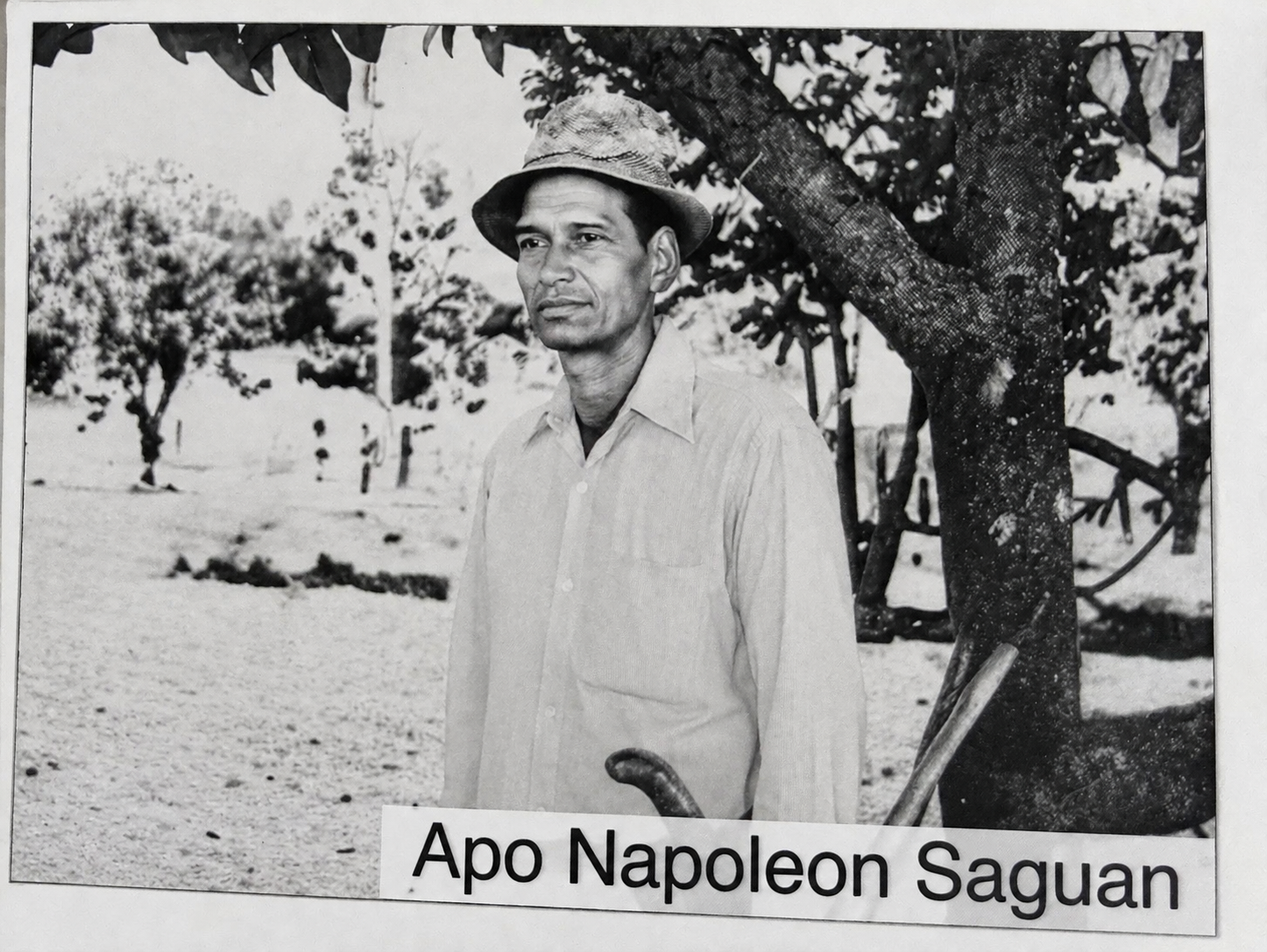
During the late 1960s, Mr. Apo Napoleon Saguan, a Work Supervisor at Mountain View College, had a remarkable dream. In his dream, he met a Manobo chieftain in a local marketplace. Later, while visiting the market in Concepcion, across the valley from Mountain View College, he was astonished to see the very man from his dream.
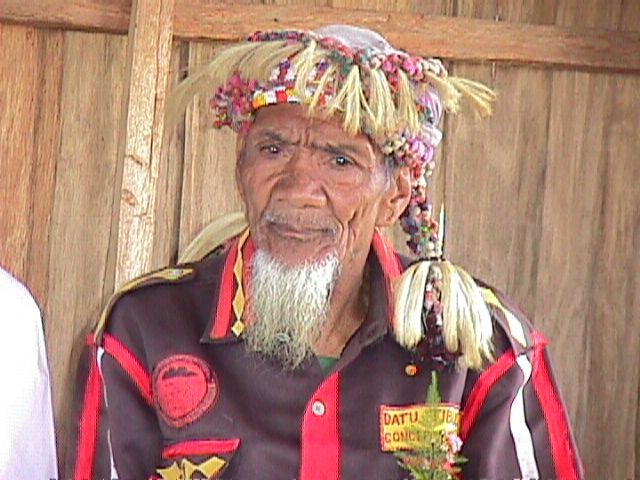
As Mr. Saguan greeted the Manobo chief, known as Datu Tibalaw, the chieftain exclaimed, "I saw you in my dream!" It soon became clear that both men had experienced the same extraordinary encounter in their dreams. During their conversation, Datu Tibalaw shared the urgent need of his people, expressing his desire for teachers who could bring education to the Manobo community.
A Courageous Journey of Faith
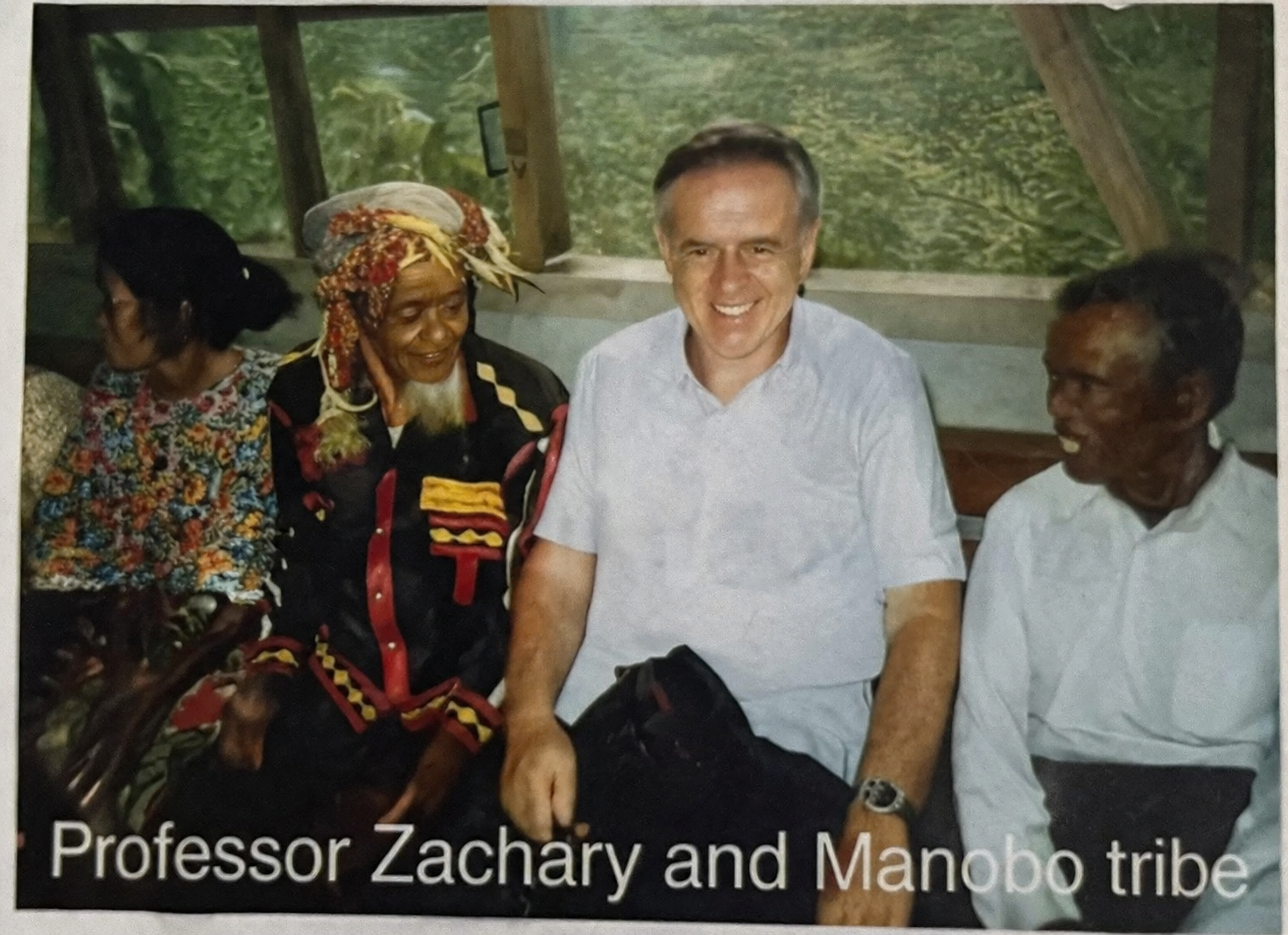
After returning to Mountain View College, Apo Napoleon Saguan shared his remarkable encounter with Datu Tibalaw with Professor James Zachary, who was then a faculty member at the college. He explained the Datu's earnest request for teachers to educate the Manobo people living in the rugged mountain ranges across the valley from Mountain View College.
Moved by the need, Professor Zachary sent two students, Peter Donton and Dave Saguan, to survey the Manobo villages. What they discovered was a very primitive, isolated, and fiercely independent society. The Manobo people lived as hunters and gatherers, moving from place to place within their ancestral territory in search of food. Crossing into another clan's territory without permission could provoke retaliation and, at times, even violent conflict.
For several months, Peter and Dave made regular visits to the villages, gradually building relationships with the people. During one of those visits, however, a Manobo warrior attempted to kill them. Forced to flee in separate directions, the two escaped with their lives. Not knowing whether the other had survived, they eventually reunited two weeks later at Mountain View College.
The Student Missionary Program Begins (1969)
In 1969, the Student Missionary (SM) Program was established as a community outreach program of Mountain View College. Students dedicated a year of service to live among the Manobo people, sharing education, practical skills, and the love of God.
At first, the Manobos were cautious of outsiders, but through kindness and faithful service, the student missionaries earned the trust of the tribal chiefs and were welcomed into their villages.
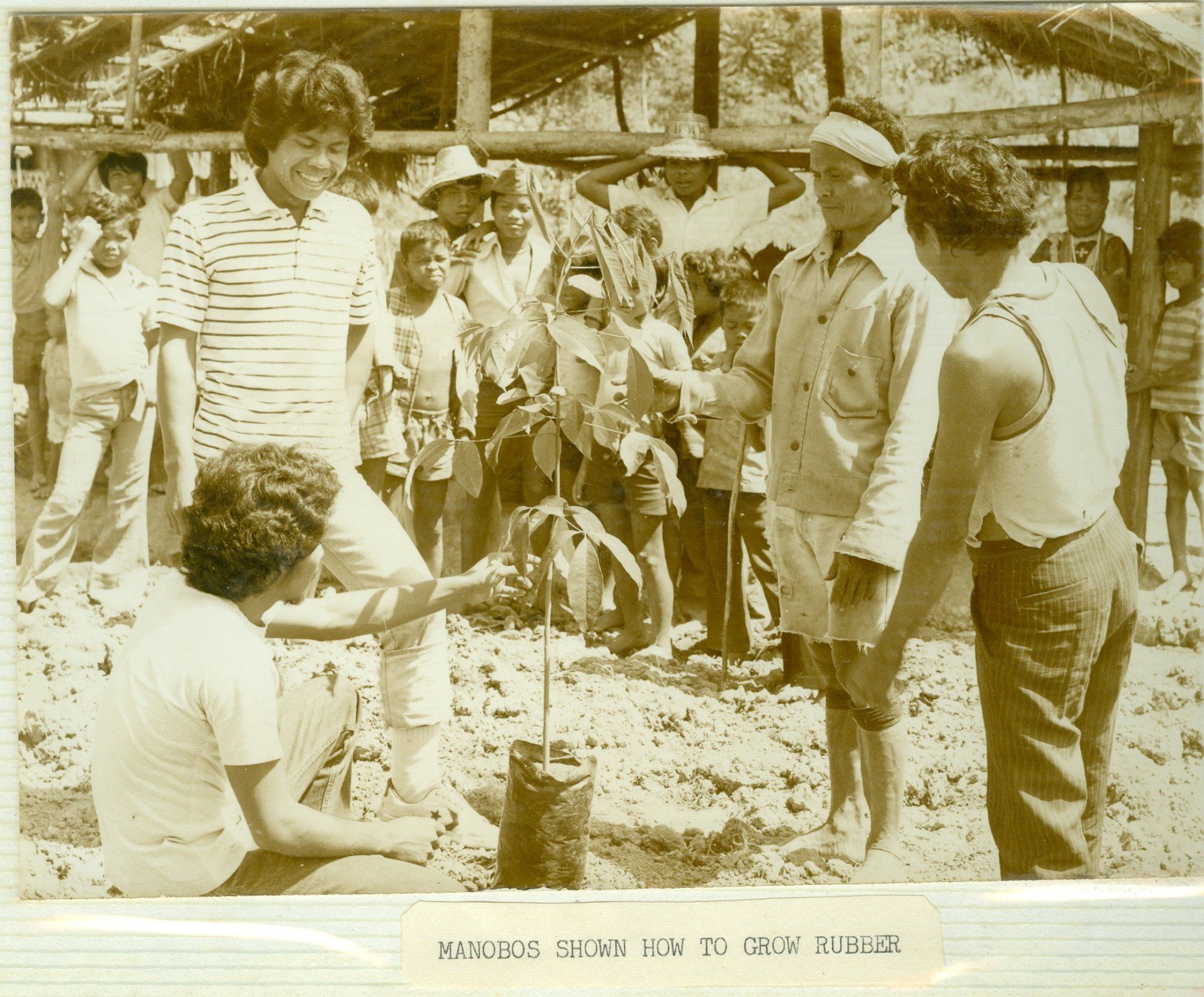
The missionaries taught literacy, farming, sanitation, hygiene, public health, leadership, and good citizenship. They also shared Bible stories and religious songs, helping many learn to read while introducing them to God's Word.
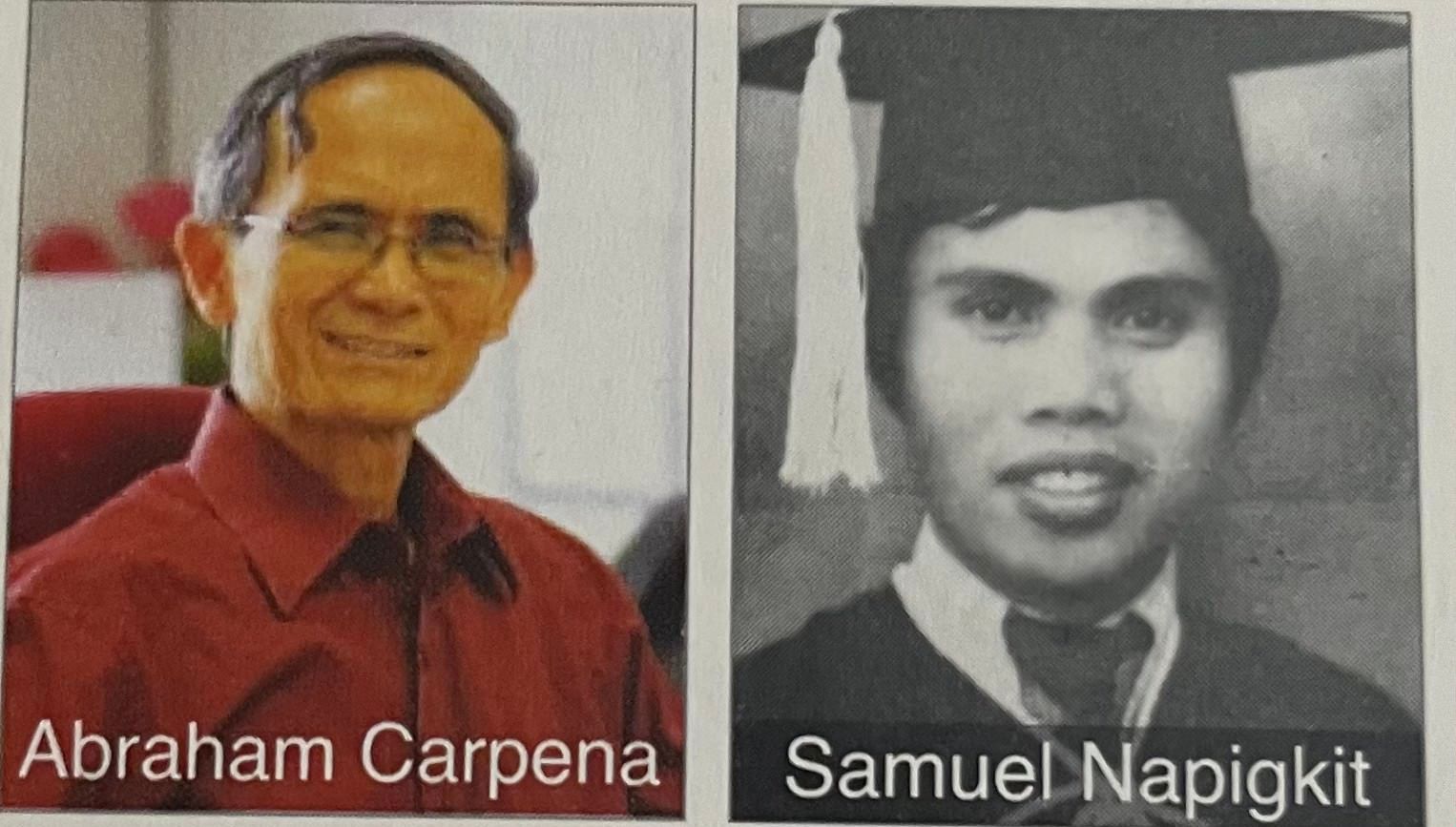
The first tribal leader to accept their message was Datu Tibalawan of Dampaan, Concepcion, Valencia City. There, Abraham Carpena and Samuel Napigkit established the first mission school.
The ministry quickly expanded, resulting in eight mission schools that later became centers for education, community development, and Christian outreach. Among them, Bulalang grew into a secondary school for Manobo youth, complete with classrooms, dormitories, a cafeteria, an airstrip, and a safe water supply. Although these schools were not formally recognized by the government at the time, they made a lasting impact on the lives of the Manobo people.
Equipping Missionaries for Service
Though the schools were not formally recognized by the government, all students becoming student missionaries underwent a training program that included teaching techniques, health education, agricultural techniques, home and health remedies and treatments, anthropology, and other needed topics.
Receiving a monthly stipend of 150 pesos cash for personal needs, each student missionary received another 150 pesos deposited to their account for tuition at MVC on their return to school.