Growth, Recognition, and Expansion
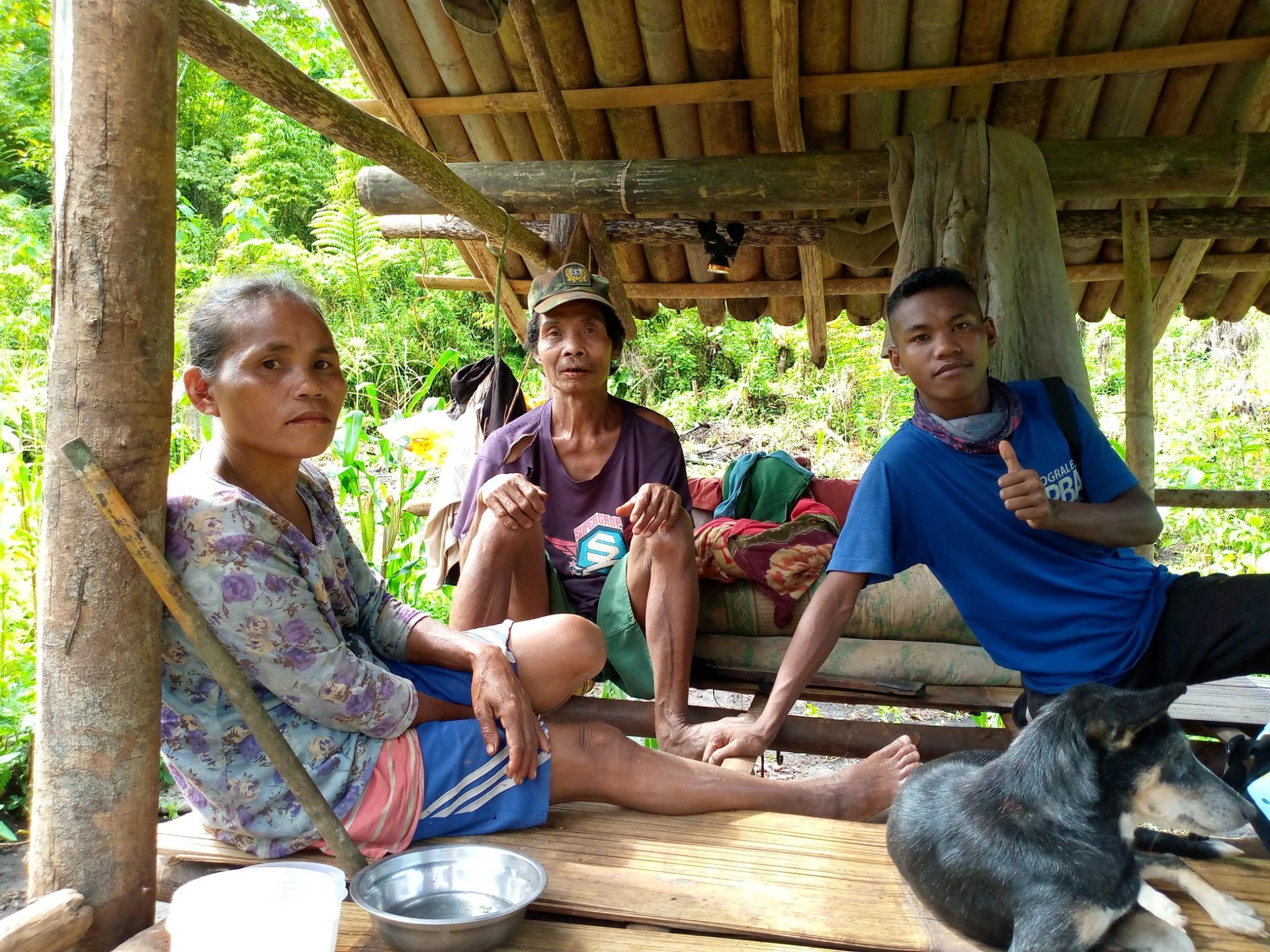
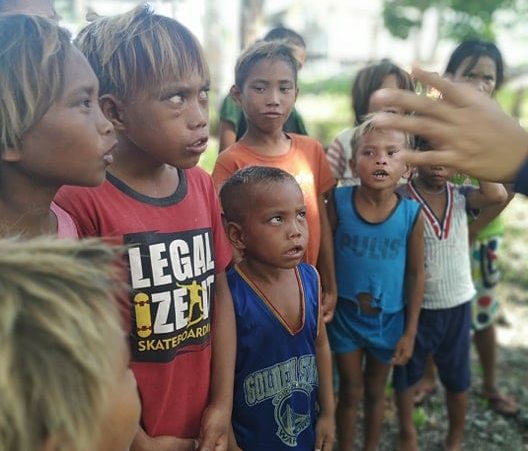
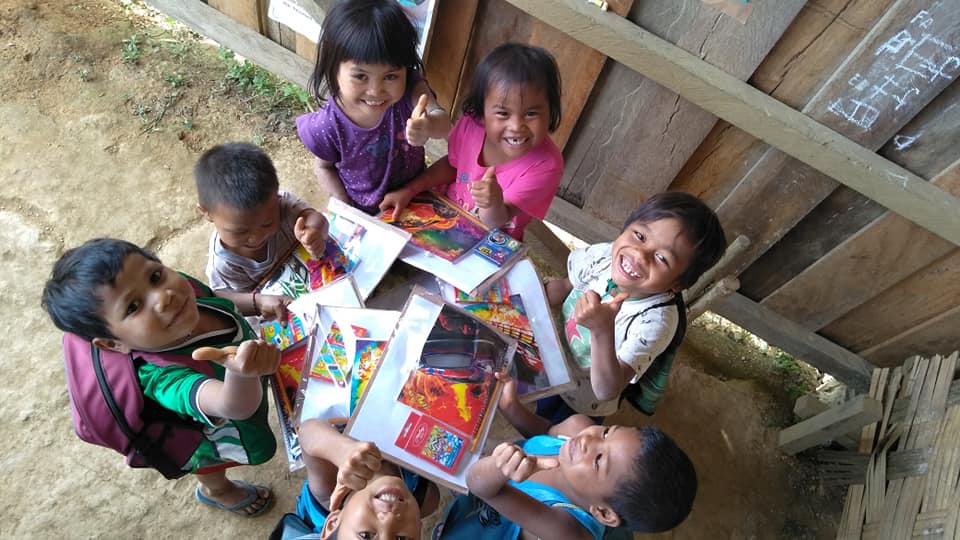
As program continued to grow, innovative methods were used to reach isolated communities. An airplane helped transport teachers and supplies to remote schools, while airdrops provided essential materials to villages that were otherwise inaccessible.
In its early years, financial resources were limited because the program relied primarily on voluntary support rather than active fundraising. However, reports of SULADS' impact reached audiences around the world, inspiring generous donors to help sustain and expand the ministry.
Building Self-Sustaining Communities
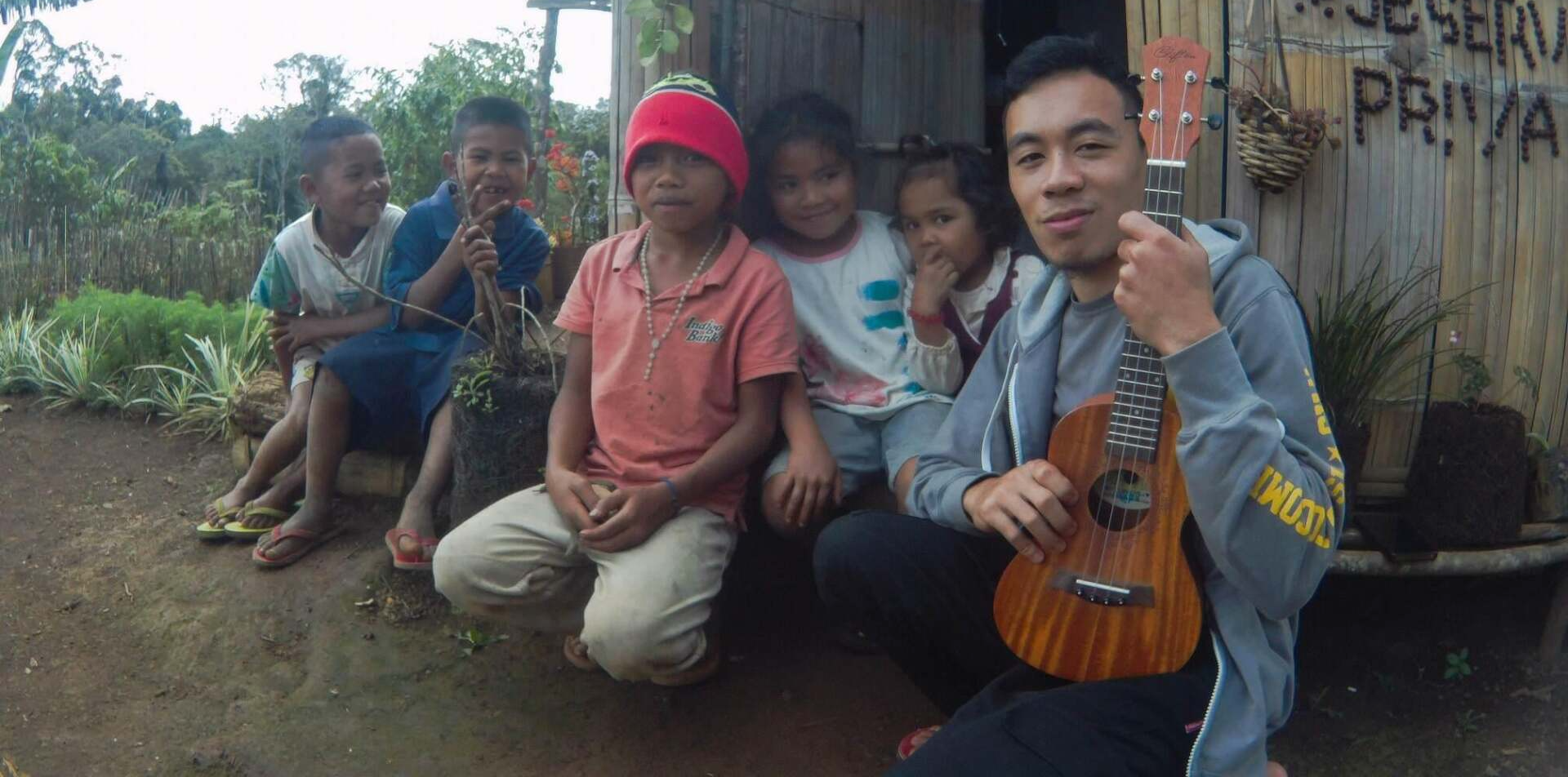
To strengthen this support, the Mountain View Foundation of the Philippines, Inc. was established to fund community outreach projects, student missionary work, and DXCR radio broadcasts serving communities across central Mindanao. The Foundation also published The Hilltop Messenger, sharing stories of transformed lives and encouraging worldwide support for the ministry.
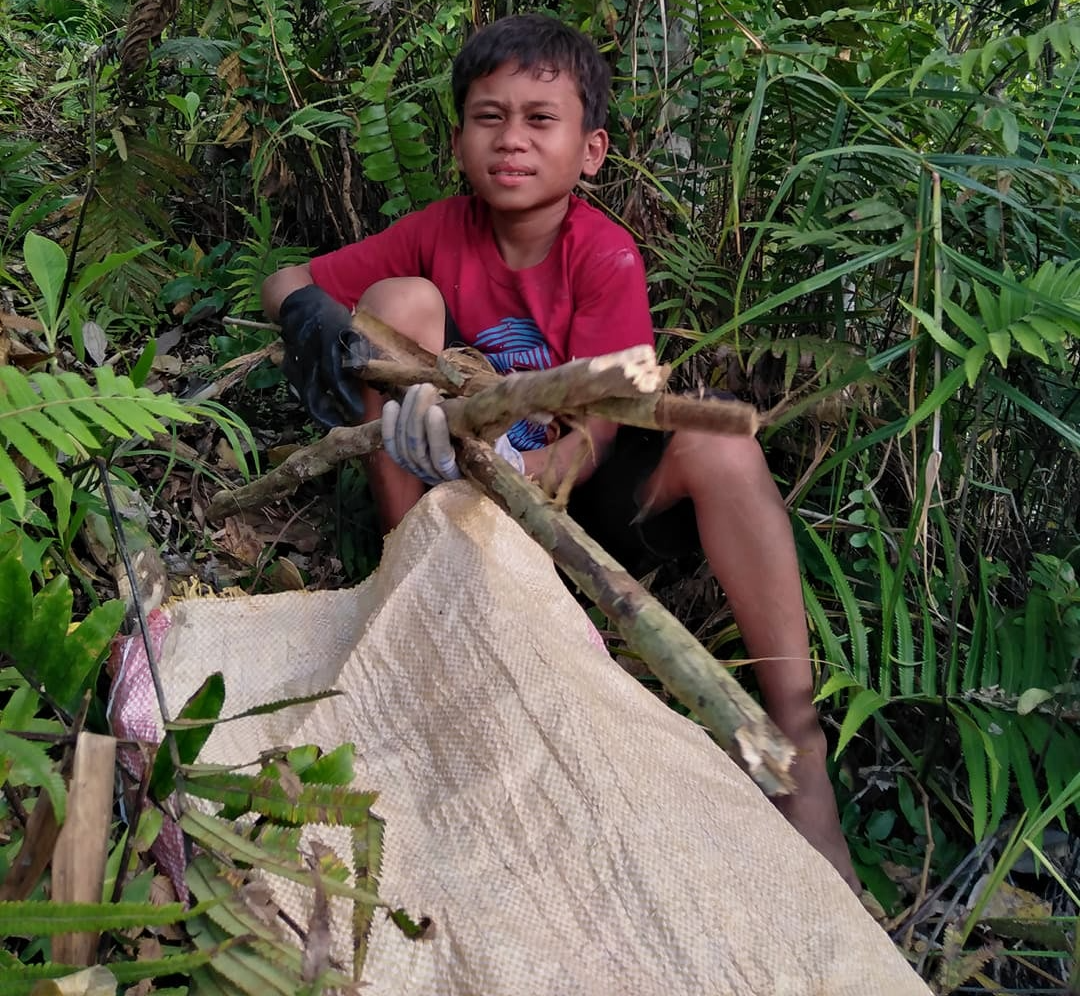
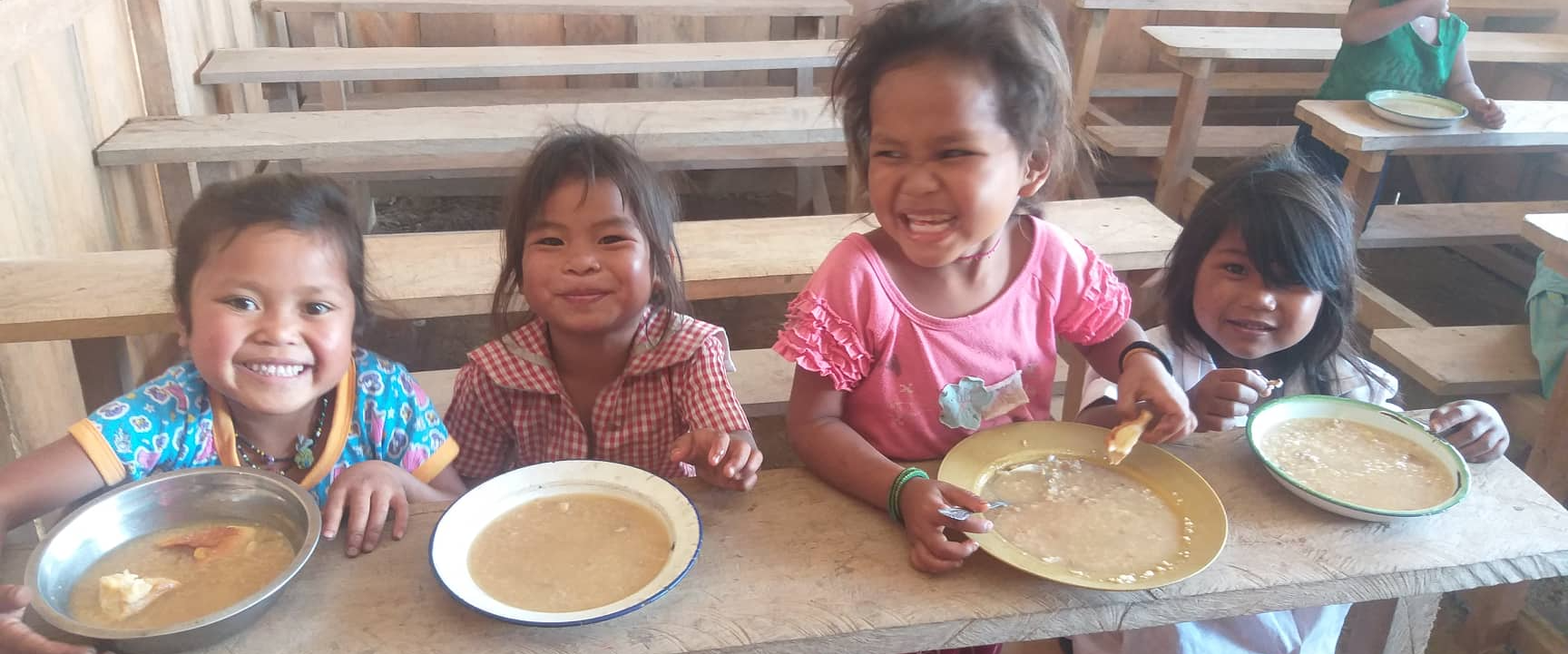
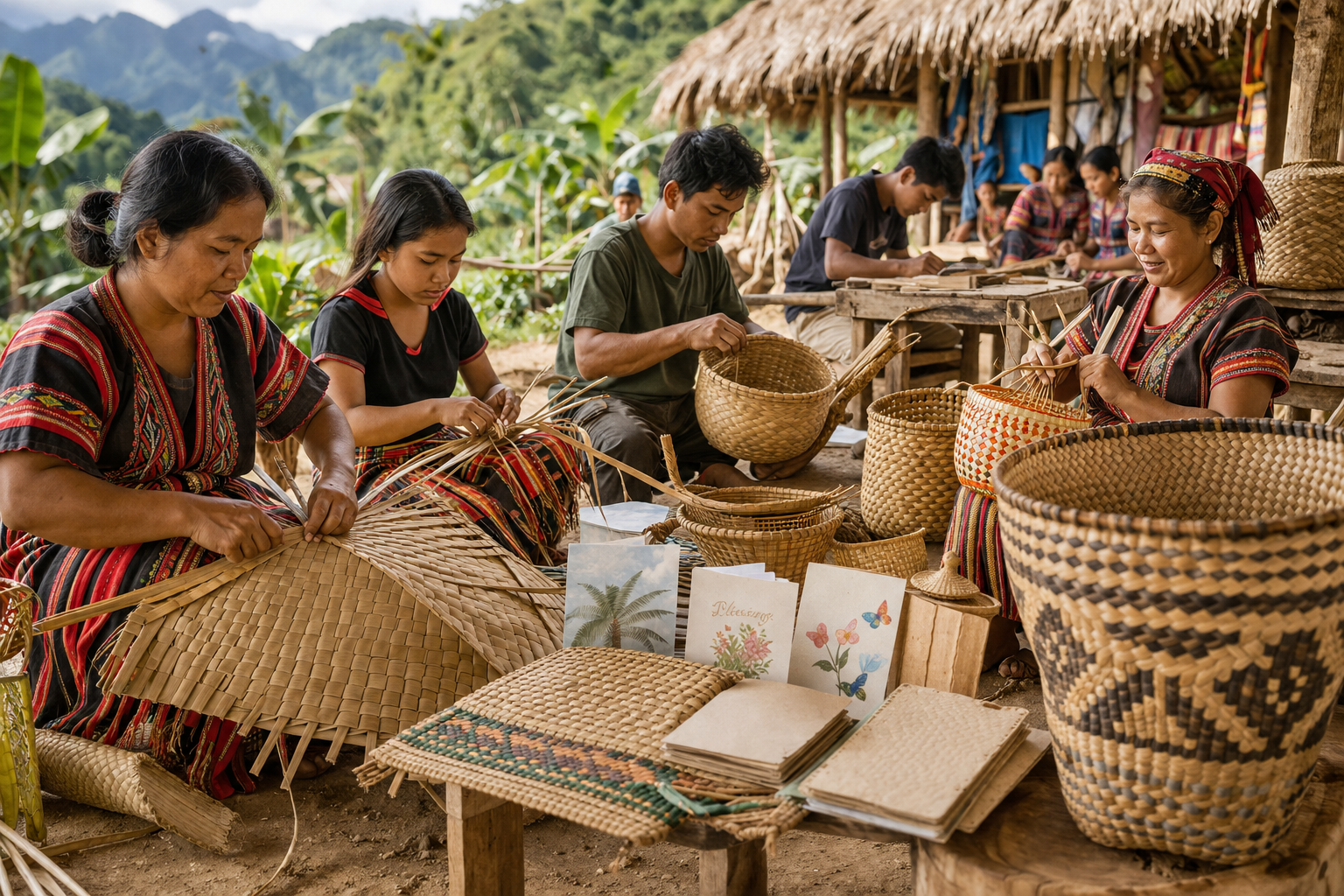
By the early 1980s, leaders recognized the importance of reducing its dependence on donations. With assistance from the Mountain View Foundation and other partners, livelihood and agricultural projects were introduced in many villages. Community members produced woven mats, furniture, baskets, greeting cards, paper products, and rattan crafts, creating sustainable sources of income while strengthening local communities.
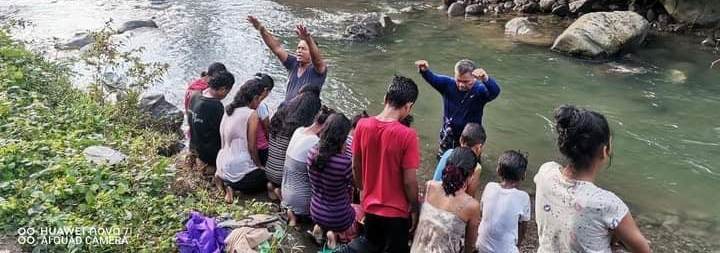
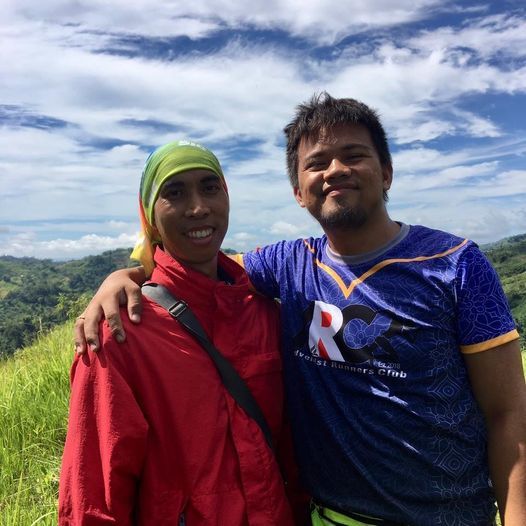
From 1969 to 1990, an estimated 325 students participated in the Student Missionary Program, making it one of Mountain View College's most impactful outreach ministries. After graduating, these student missionaries served in a wide range of professions around the world. A study conducted in the late 1980s found that former student missionaries were three times more likely to earn an advanced degree than those who had not participated in the program. Their service not only transformed the communities they reached but also shaped them into dedicated, well-rounded leaders.
Despite its remarkable success, the program began to decline in the late 1980s and early 1990s due to changes in leadership and shifting perceptions of its value. As promotion and support decreased, the future of the Student Missionary Program became uncertain, and for a time, it appeared that this pioneering ministry might come to an end. But......